
Cybersecurity. Entrepreneurship. Endurance.
William Néron
A small business wins at security the way you win a race: one kilometre at a time. I talk about it on stage, and I put it into practice with my clients.
Finishing the 10 km, Tour du Cap Tourmente. Photo: Allison Kirkwood, AK Photo
It’s the small habits, repeated, that protect you. Not the heroic gestures.


Test your eye
This email is a fake. It hides four clues. Click on anything that looks suspicious.
No clues found yet.
- 1 Clue to find Look in the email.
- 2 Clue to find Look in the email.
- 3 Clue to find Look in the email.
- 4 Clue to find Look in the email.
Talks
Pick a topic to see what your team takes away from it. Everything is tailored to your audience, in person or online.
Your business is already a target: what I see in the field
Reused passwords, backups that were never tested, access that was never removed: the gaps I run into most often in small businesses, and the simple steps that close them.
For executives and managers
Length 90 to 120 minutes
What your team takes away
- The most common gaps, seen from the inside
- A short list of actions to take as early as Monday
- How to talk security with your team without scaring them
My career, in split times
A career is a long race. Here are the kilometres that count.
-
Km 0
First steps in IT
Long before it became my job, IT was a passion: taking things apart, fixing them, understanding how everything works. That curiosity has never left me.
-
Km 10
Groupe Miracom
Servers, networks and support for small businesses in the Quebec City region. The field where I learn what really protects.
-
Km 21.1
The half marathon
Daily runs of 10 to 20 km and a half marathon at around 4:50 per kilometre. Consistency, measured.
-
Km 30
Hitting the wall at 30
The kilometre where everything is decided. For me: going from the field to the stage, with my first cybersecurity talks.
-
Km 42.2
The finish line
A full marathon on the horizon. And small-business teams that are better prepared, one talk at a time.
Off the clock
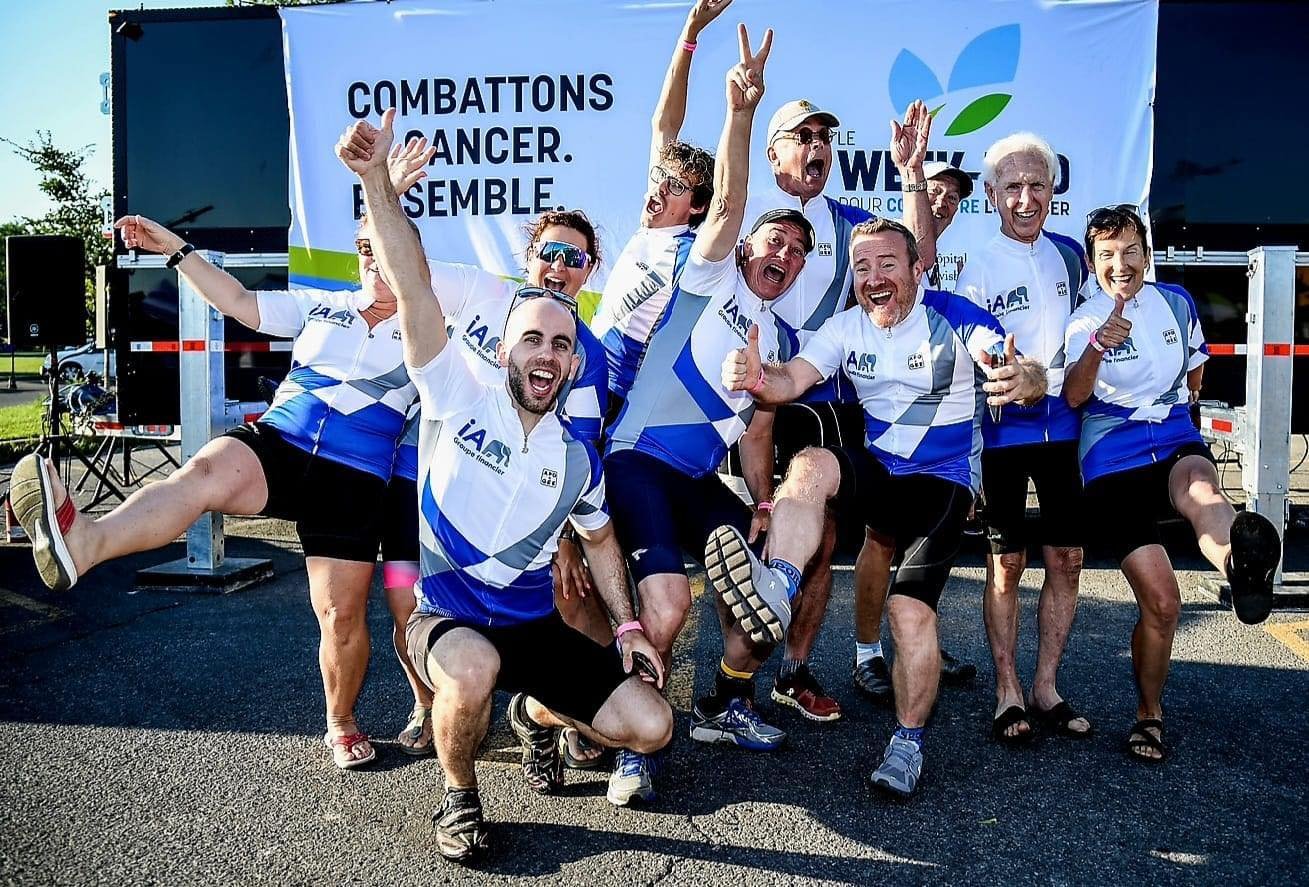
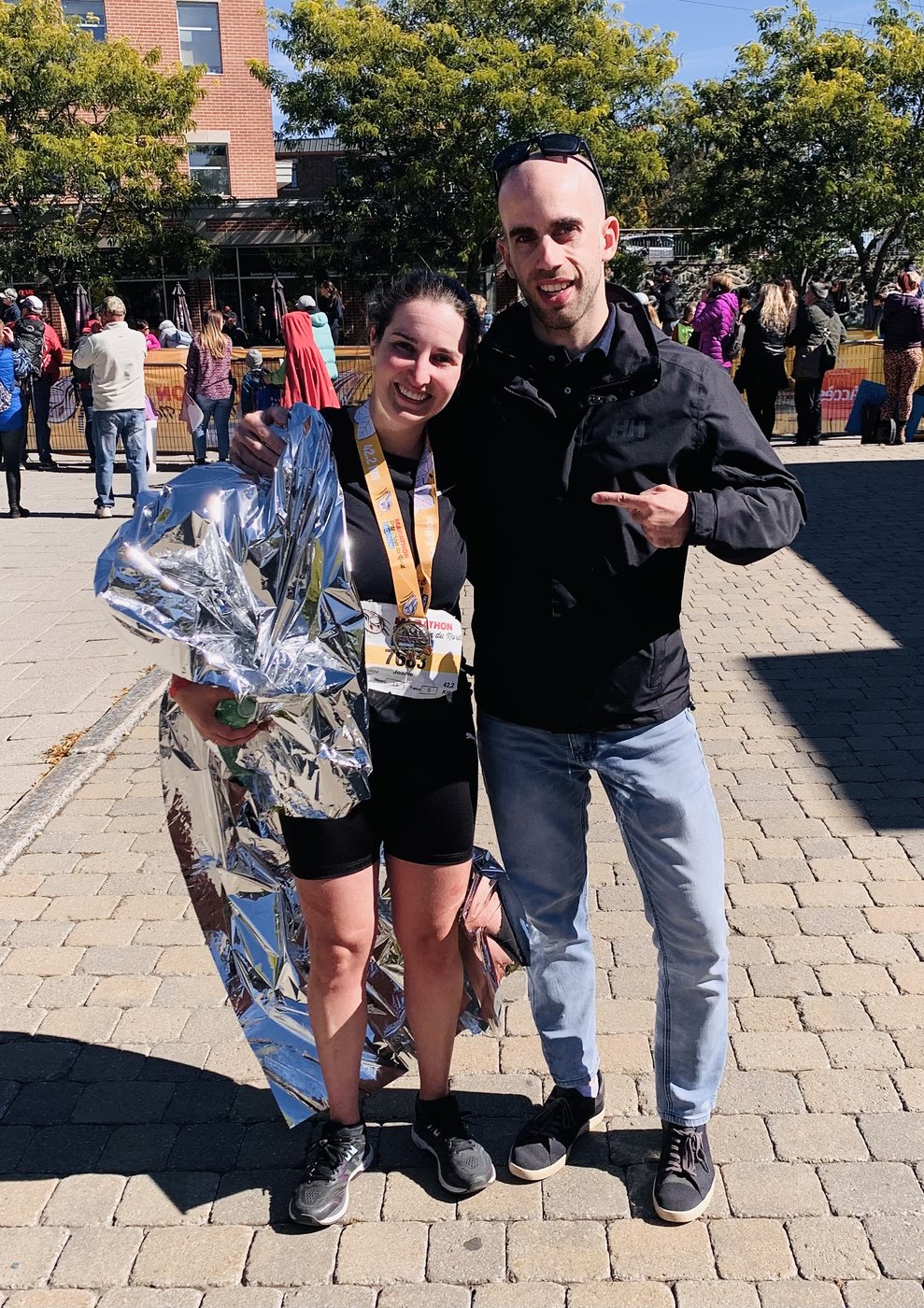
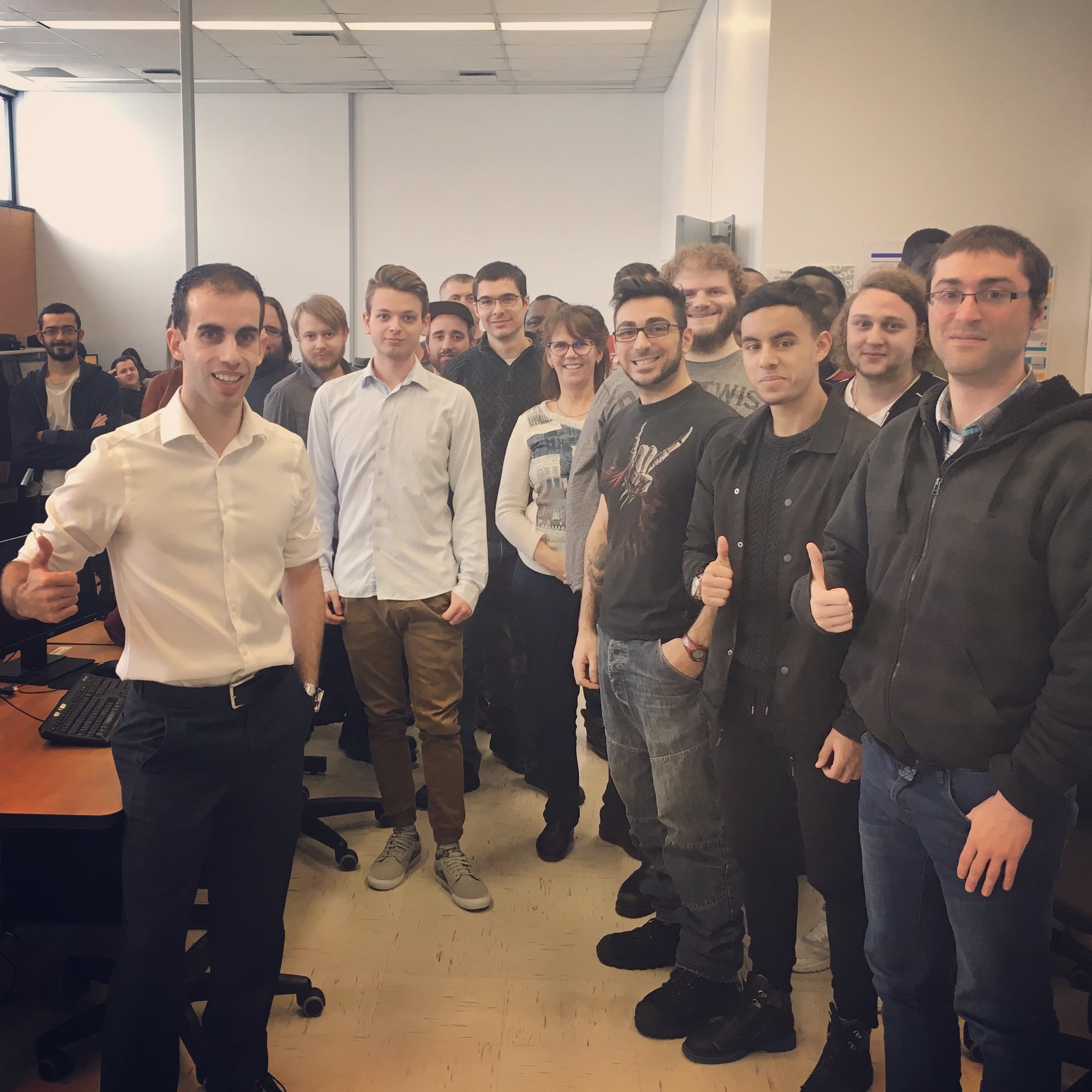
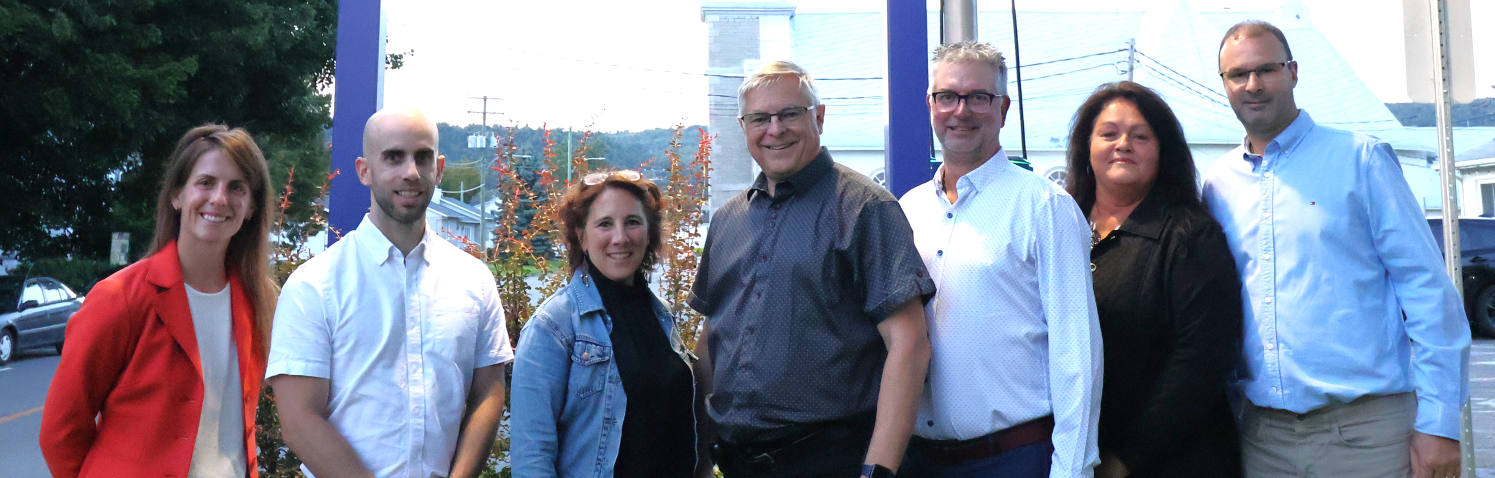
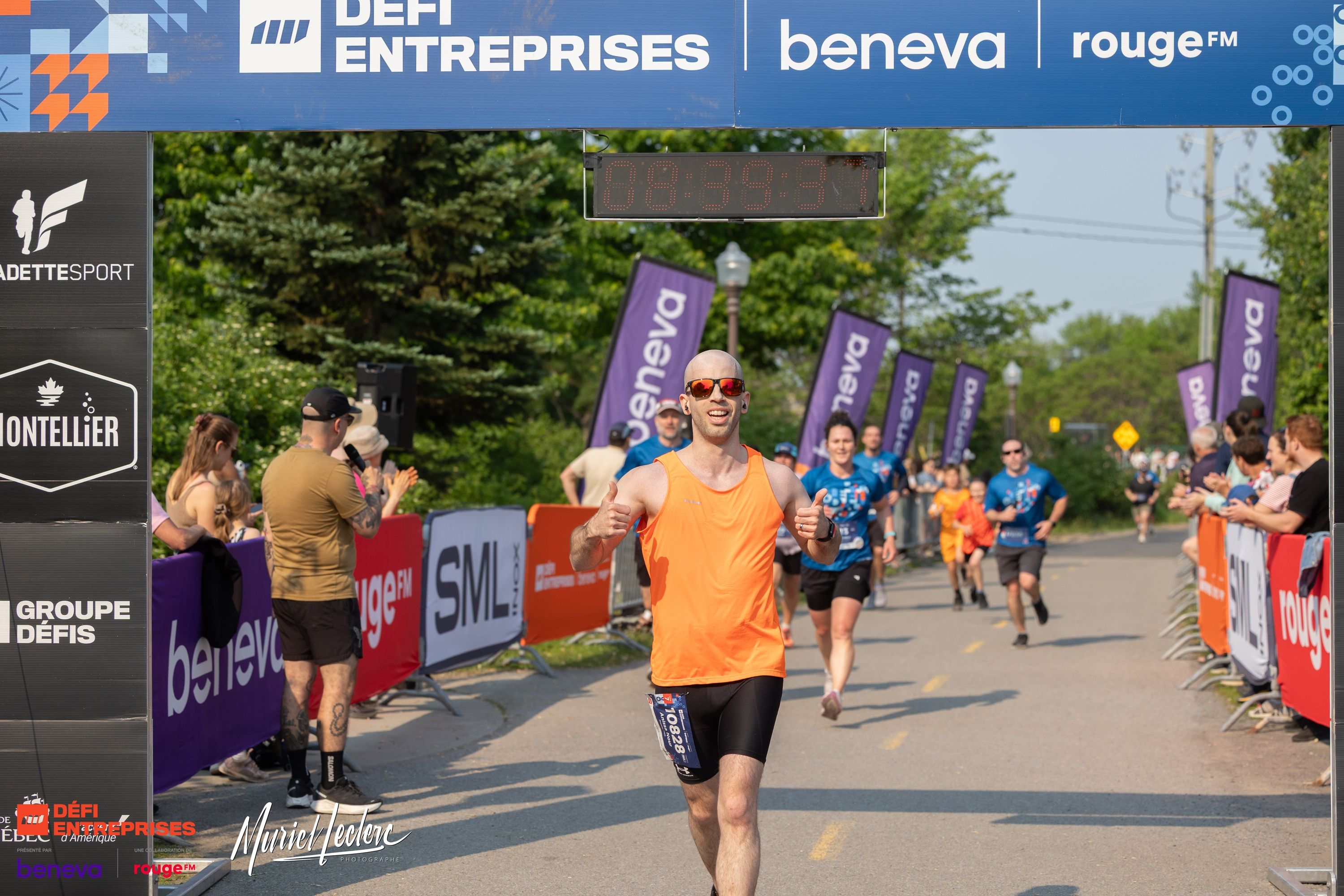
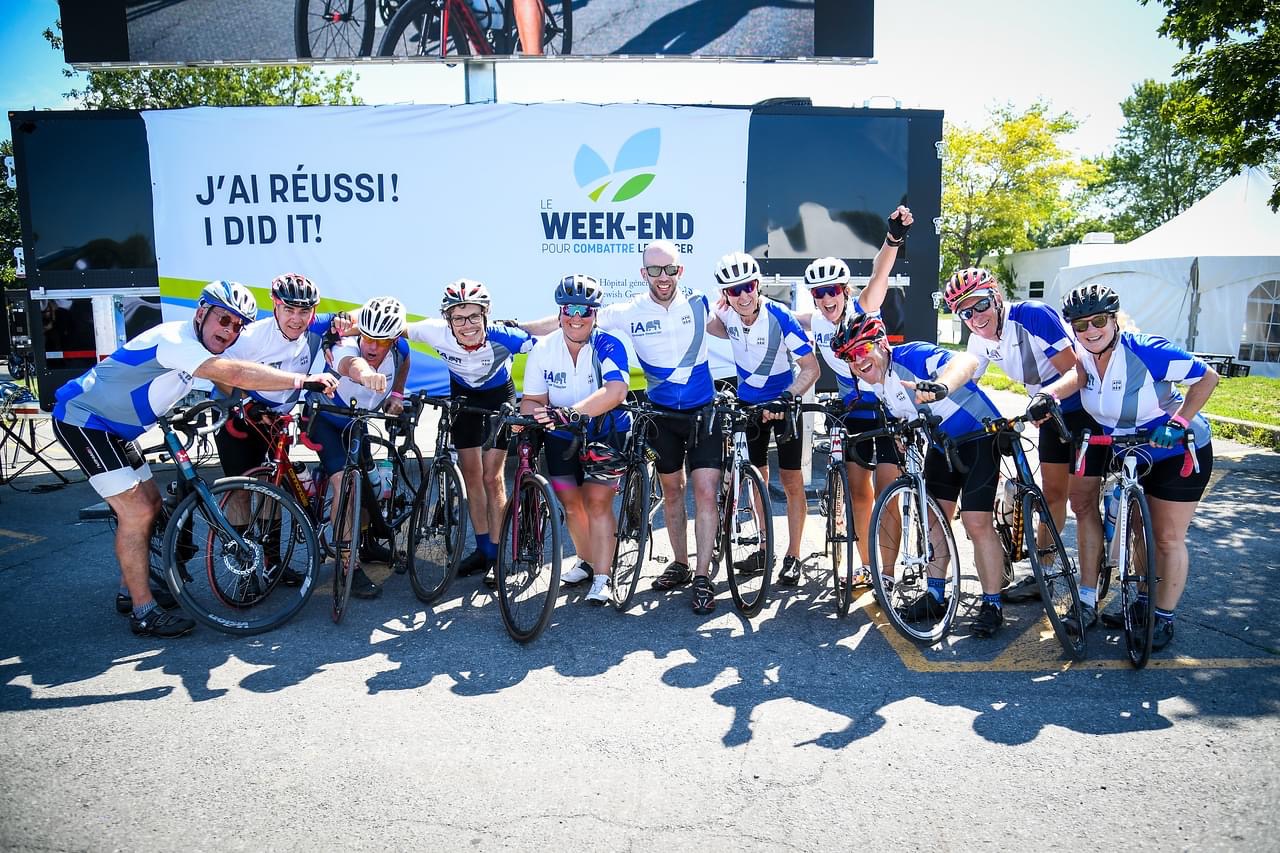
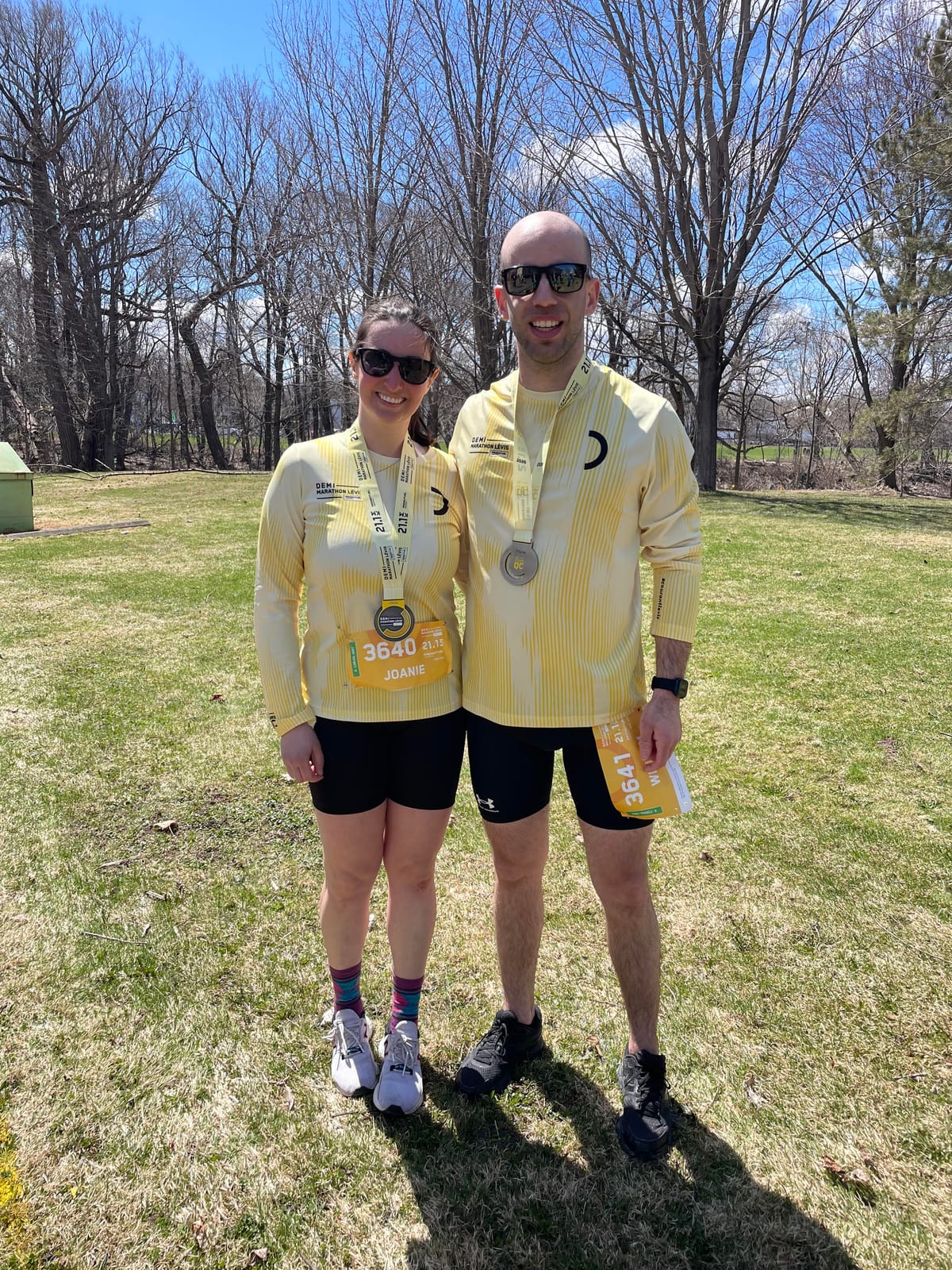
In the community, at the finish line and on the road.







What organizers say
“We thought we were reasonably well protected. William’s audit showed us otherwise, but without ever making us panic: every point was explained simply, with a clear action plan in the right order. For a small business like ours, that’s exactly what we needed.”
Frequently asked questions
Talks, Law 25, phishing: answers to the questions I get asked most often.
Who is William Néron?
William Néron is an IT and cybersecurity expert based in the Quebec City region. At Groupe Miracom, he manages and secures servers and networks for small businesses and supports them day to day in reducing their risk. In the field, he sees the gaps that actually lead to incidents. He brings that hands-on experience to his cybersecurity talks and training, in person or online, so every team knows what to do the very next day. A dedicated runner who covers 10 to 20 km a day, he applies the same discipline to security: small habits, repeated.
What cybersecurity talks do you offer?
There are three talks: “Your business is already a target: what I see in the field” (90 to 120 minutes, for executives and managers), “Law 25 without the jargon: what management really needs to do” (120 minutes, for management and privacy officers) and “Phishing in the age of AI: a live demonstration” (90 to 150 minutes, for the whole team). Each talk is tailored to your audience.
What formats are available?
Four formats are available: talk, lunch-and-learn, on-site workshop and executive coaching. They can be delivered in person or online, for a small group of fewer than 20 people or an audience of more than 150.
Who are the talks for?
Small businesses and their teams: executives, managers, privacy officers and employees. No technical knowledge is required. The content is practical and jargon-free, and every participant leaves with simple steps they can apply the very next day.
Is my small business really a target for cyberattacks?
Yes. Most attacks are automated and go after any organization with a gap, whatever its size. In the field, the most common gaps in small businesses are reused passwords, backups that have never been tested and access that stays active after an employee or vendor leaves. They are also the easiest to fix.
What is Quebec’s Law 25, and does it apply to my business?
Law 25 is the Quebec law that modernizes the protection of personal information. It applies to any business that collects personal information in Quebec, whatever its size. Among other things, it requires designating a person in charge of protecting personal information (by default, the person with the highest authority in the business), publishing a privacy policy, keeping a register of confidentiality incidents and reporting incidents that present a risk of serious harm to the Commission d’accès à l’information. Its obligations came into force gradually between 2022 and 2024.
How do I recognize a phishing email?
Check four clues: the sender’s address (an outside domain imitating an internal department), an urgent or threatening tone, an unusual request such as your banking information or a password, and the real destination of the link, which you can see by hovering over it before clicking. If in doubt, confirm the request another way, for example by calling the person at a number you already know. The “Test your eye” game on this site lets you practise.
What should I do after clicking a phishing link?
Act quickly and without embarrassment: alert your IT lead or IT provider right away, change the affected password from another device and turn on two-factor authentication if it is not already on. If you gave out banking information, call your financial institution. The sooner an incident is reported, the easier it is to limit the damage. This is the focus of the final part of the phishing talk.
Do you also do security audits for small businesses?
Yes. In addition to talks, William supports small-business leaders with a security audit. Each point is explained simply and leads to a clear action plan, sorted by priority. Choose the “Executive coaching” format in the form to discuss it.
How do I book a talk?
Fill out the registration form at the bottom of this page or email reservation [at] williamneron.com. Include your organization, the format you want and the number of participants: William will reply personally with a suggested topic and format.
Is your team ready for the starting line?
Fill out your race bib. I’ll reply personally with a suggested topic and format.
Or email me: reservation [at] williamneron.com